AI Energy Mandate: Trump Demands Data Centers Pay Local Dividends
The President is pushing for a new requirement that forces large-scale computing facilities to share generated power and financial benefits with nearby residents.
By Jennifer Paige ·
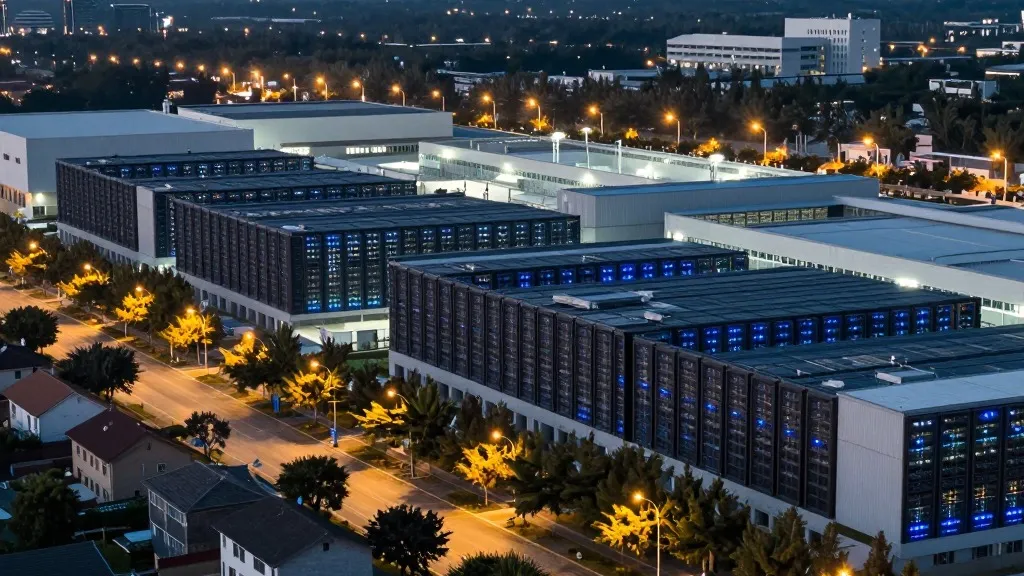
The rapid expansion of artificial intelligence infrastructure has sparked widespread tension between tech developers and the small towns hosting their massive facilities. To address these growing conflicts, President Donald Trump has called for a mandatory financial dividend that data center operators must pay to the communities they affect.
In a recent post on Truth Social, the President outlined a strategy to make these large-scale projects more acceptable to local populations. He warned that AI hyperscalers and builders will be required not only to generate their own electricity, a policy the administration has previously advocated, but also to return excess energy to the local grid. This initiative aims to offset or even reduce rising utility bills for residents living near these power-hungry sites.
The push follows significant backlash from communities across the United States. Residents have frequently protested against data centers, citing concerns over noise pollution, water scarcity, air quality, and deforestation. By demanding that companies provide tangible benefits, the White House hopes to win back favor while maintaining its strategic focus on outpacing China in the global AI race. The specific mechanics of how these dividends will be calculated remain unclear, though the administration is likely focusing on electricity costs as a primary pain point.
The proposal builds on existing regulatory efforts. A recently passed act already requires data centers to cover the costs of grid upgrades, preventing those expenses from being passed on to local taxpayers. If the new mandate proceeds as described, surplus power from on-site generation could be sold or given back to locals, directly lowering their energy expenses. This approach seeks to transform the relationship from one of burden to one of mutual benefit.
President Trump emphasized the economic incentive of this model, noting that previously unpopular data centers become popular once a financial deal is struck. He urged stakeholders to "MAKE DEALS, and get them built!!!" in an effort to accelerate construction. The administration believes that by sharing the energy surplus, the projects will become more palatable to the very communities that often resist them.
However, the financial dividend addresses only one aspect of the broader environmental and logistical challenges. Issues such as enormous water consumption, ecological disruption, and general pollution remain significant hurdles for developers. While the energy component is a direct cost to households, the other impacts are long-term concerns that money may not fully resolve. The administration’s strategy relies on the assumption that financial compensation will be the deciding factor for community acceptance.
The ultimate success of this mandate depends on whether the financial and energy benefits outweigh the perceived negatives for local residents. As the administration moves forward with this policy, the focus remains on balancing the urgent need for AI infrastructure with the quality of life in the neighborhoods where it is built. The coming months will reveal whether this dividend model can truly shift public opinion in favor of continued expansion.
Source: Tom's Hardware