Situational Awareness Fund Faces Fresh Losses After Rebuilding AI Portfolio
Leopold Aschenbrenner's hedge fund took on significant new risk in AI stocks during the third quarter, but many of these positions have dropped sharply since the end of September.
By Enzo Melnyk ·
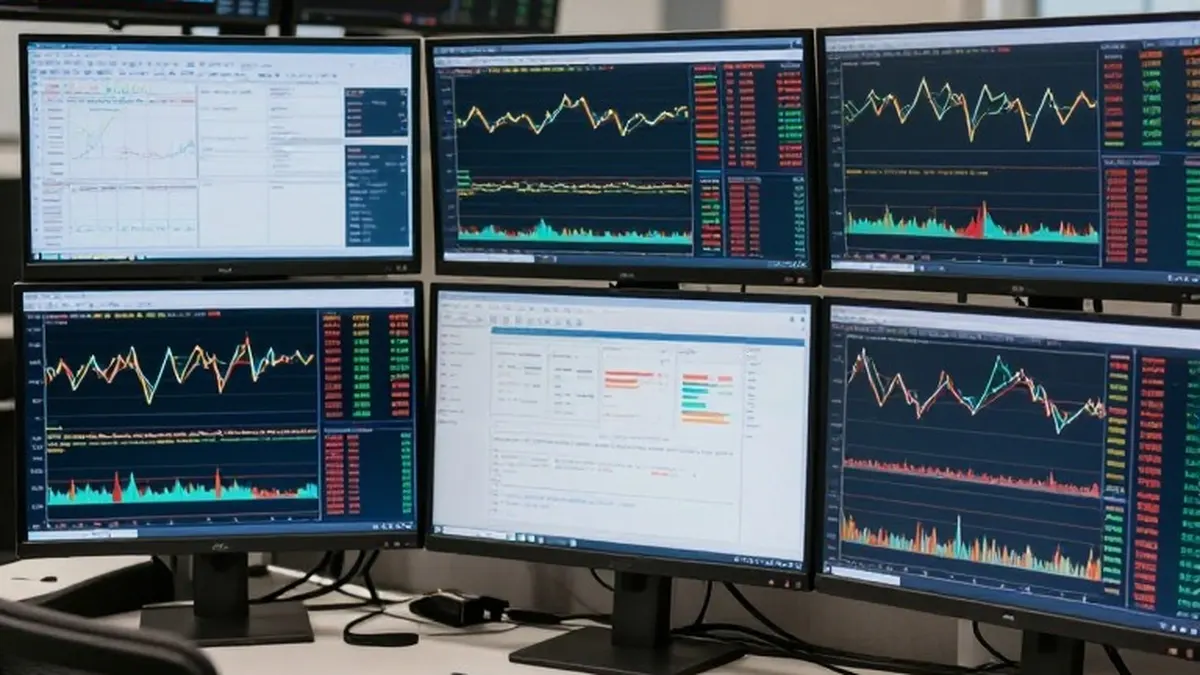
Leopold Aschenbrenner’s artificial intelligence-focused hedge fund, Situational Awareness, has experienced substantial recent declines after reloading its portfolio with AI equities. The fund, which suffered a near collapse in July, returned to the financial markets at the end of the third quarter by taking fresh positions in the sector. However, regulatory filings indicate that all of these new holdings have lost significant value over the past month and a half.
A new regulatory filing reveals that as the fund stabilized, Aschenbrenner established an equity position in Australian neocloud company SharonAI valued at more than $440 million. The fund also acquired stakes in other AI-centric companies, including Cleanspark, IREN, Bitdeer Technologies, and Fermi. The Cleanspark stake is worth nearly $39 million, while the positions in IREN and Bitdeer are valued at more than $21 million and more than $20 million, respectively. Fermi holds a value of over $11 million.
In addition to direct equity stakes, the fund held call options at the end of September in neocloud Nebius, memory chip manufacturer Sandisk, the Roundhill Memory ETF, and data center power provider Bloom Energy. Sandisk and Nebius were previously key holdings that nearly caused the fund to fail during the summer months.
Performance since September 30 has been poor across the board for these assets. SharonAI leads the list of declines, suffering a 58% loss in October and dropping an additional 11% in November. IREN fell 41% in October, while Nebius declined 35%. Last week, Nebius saw a single-day plunge of more than 16% following the release of a weak full-year forecast.
It remains unclear whether the hedge fund manager reduced or exited these positions during the broader AI selloff in October. The 13F filing only provides a snapshot of the fund’s holdings at the end of the quarter, leaving the exact timing of any subsequent trades unknown.
Aschenbrenner launched the fund in 2024, the same year he gained fame for his AI manifesto titled Situational Awareness. Sources told CNBC in September that the fund had re-entered financial markets to some degree. The recent filing suggests that he resumed aggressive positioning in the sector shortly after this partial return.
The fund’s earlier near-collapse in the summer forced a sale of all public equity positions to Citadel, the firm led by Ken Griffin. At its peak, the fund managed $45 billion in assets, but that figure dropped to approximately $10 billion, which consisted primarily of private stakes.
The AI trade has faced headwinds in recent quarters as investors grew concerned about a potential slowdown in technological development. These concerns were amplified in September by comments from industry leaders, including Anthropic CEO Dario Amodei and OpenAI CEO Sam Altman. Altman stated that taking the company public this year would be ill-advised.
Pressure on the sector has continued to build since those comments. In recent weeks, investors have worried that Democratic wins in the midterm elections could hinder data center development. There are also growing concerns about the use of excessive debt to finance AI infrastructure and the role Nvidia will play in that financing, particularly with Jensen Huang no longer serving as the company’s CEO.
Losses in Nvidia and other AI-related stocks contributed to a drag on the three leading U.S. stock indexes during Monday’s session. Investors continue to assess the market fallout following Huang’s departure from the top spot at the chipmaker.
More News · National news · Report a business · Got a Story?