Netflix Animation 'Steps' Retells Cinderella From the Stepsisters' Perspective
A new animated feature from Netflix flips the classic Cinderella narrative by centering the story on two Asian stepsisters, exploring themes of identity, empathy, and belonging.
By Luis Fernandez ·
Netflix has released a new animated feature titled 'Steps' that reimagines the classic Cinderella legend. Directed by Alyce Tzue and John Ripa, the film offers a revisionist take on the fairy tale. Instead of focusing on the orphan girl tormented by an evil stepmother, the story shifts the perspective to the stepsisters. The narrative explores themes of fear, othering, and the dynamics of mean girls, while retaining elements of magic and familiar plot points.
The story is set in the kingdom of Alouette. It begins with two young girls, Lilith and Margot, moving into their stepfather's home. They initially become fast friends with his daughter, Cinderella. However, the dynamic changes when Cinderella sides with the popular children at a party. After the girls' father dies, Lilith becomes rebellious. The town largely dislikes Lilith because she is different. She, her sister Margot, and their mother are Asian, whereas the blonde Cinderella is adored by the community for her ability to talk to animals, sing, and keep the home clean.
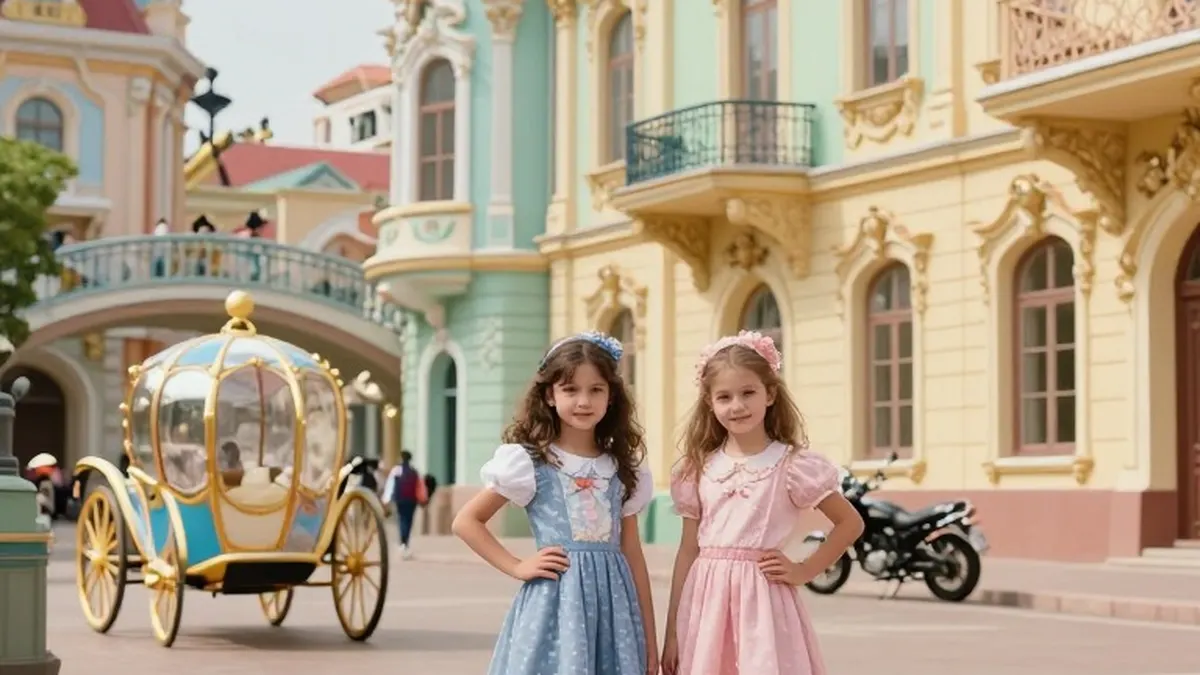
The film features a star-studded voice cast that includes Ali Wong, Amanda Seyfried, Stephanie Hsu, Bette Midler, Daniel Radcliffe, Young Manzino, and Nikki Glaser. The production is the first animated feature from Amy Poehler's studio, Paper Kite. The visual style is described as luscious and vibrant, resembling a tempting birthday cake or candy, with bright, saturated colors that give the world a gleaming and dreamlike quality.
Director Alyce Tzue spent seven years developing the project. The concept originated from comedians and writers Ricki Lindhome and Kate Micucci, who worked with Paper Kite to bring the idea to Netflix. The initial script featured white stepsisters who fit the traditional archetype of mean girls. Tzue was drawn to the project because of its sharply feminist message and its emphasis on inclusivity and sisterhood. She pitched the idea to both Paper Kite and Netflix and secured the role of director.
As the film took shape, Tzue saw personal parallels in the story. She noted that her Taiwanese and Chinese ethnicity is a deep part of her identity. Growing up in a homogeneous small town, she often felt different. Making the stepsisters Asian allowed her to bring nuance, specificity, and vulnerability to their characters. She felt a strong connection between her own experiences and those of the character Lilith, who does not fit the typical fairy tale protagonist mold.
Tzue explained that she felt the girls in her life were expected to find traditional happiness, but she felt too different to achieve that herself. The film is an effort to tell stories about what she knows and to explore the personal journey of finding one's place. She hopes that if even one person walks away from the film feeling empowered to stand up for someone else, the directors have done their job.
Co-director John Ripa joined the production later but immediately connected with Tzue's vision. He was driven by the universal themes of empathy, kindness, and the idea that everybody deserves a happy ending. He focused on ensuring that the audience could see themselves in the fairy tale. The kingdom of Alouette serves as a character in the story, representing a society of conformists that struggles to accept difference.
The film includes original songs, various comedic gags, and action sequences involving a scary villain. It also features a glass carriage and slippers. The story expands beyond the main kingdom to include an enchanted forest with trolls who live under bridges and ride motorcycles. Tzue noted that the goal is to explore who is included in the fairy tale and who is left out, using the world to reflect the kingdom's potential for growth.
Tzue, who began her career as an architect before working as a CG generalist, wanted to push the 3D animation to feel more three-dimensional rather than emulating 2D styles. Ripa emphasized the importance of using the rich textures and ornate Rococo details of the world to enhance the story without overwhelming the emotional connection to the characters. The animators aimed to draw in the audience with the visual richness while keeping the characters and their emotions at the forefront.
More News · National news · Report a business · Got a Story?