Rayner Backs Burnham Call for Debate on Returning to Free Movement With the EU
The prime minister's call for an honest discussion on free movement has won support from senior cabinet figures but drawn warnings from some Labour MPs and sharp attacks from the Conservatives and Reform UK.
By Hot Report Digest Staff ·
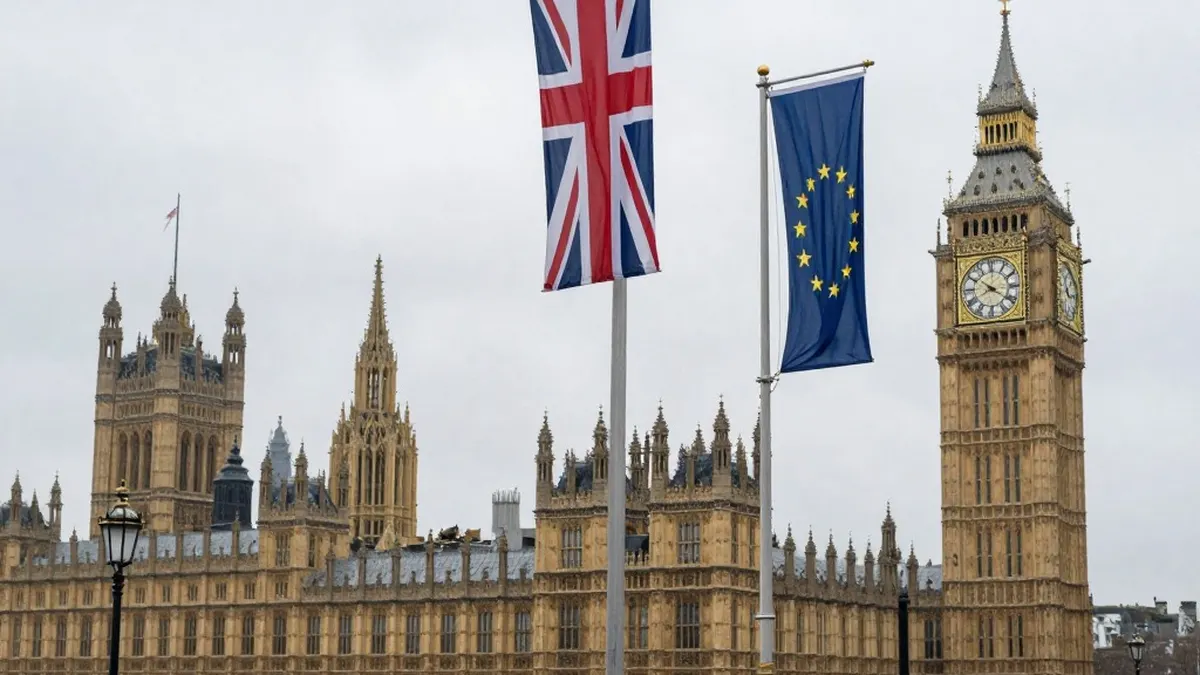
Andy Burnham's suggestion that the UK should consider a return to free movement with Europe has been endorsed by senior cabinet ministers, including Angela Rayner. The proposal also risks unsettling some Labour MPs who represent so-called red wall seats.
In an interview with the Sunday Times, the prime minister called for an "honest discussion" on the issue. He made clear that staying out of free movement would no longer be a red line in talks with the EU.
Burnham acknowledged that free movement had brought "very significant challenges", something he said he addressed during his earlier time in parliament. But he argued it was a type of immigration that was perhaps less difficult than today's. He contrasted it with what he called revolving-door migration, in which people arrive and later return home, and said the balance of migration has shifted since then.
Rayner, the housing secretary, told Sky News the approach was "just pragmatism". She said the question was what the best deal for Britain would be, and that the prime minister is clear nothing can be taken off the table in a negotiation. Stella Creasy, a Labour MP and chair of the Labour Movement for Europe, said the UK was "long overdue for a grownup conversation" about what EU free movement means for supply chains and for jobs held by British citizens.
Several senior cabinet ministers are keen on a much closer relationship with the EU to boost growth, potentially including a return to the single market and acceptance of free movement as a consequence. Ed Miliband, the foreign secretary, is among those who favour reopening the discussion. Shabana Mahmood, the home secretary, has been more cautious. Speaking at a New Statesman event at the Labour party conference, she said rejoining the EU would not be a "simple, straightforward thing" and involved "quite hard trade-offs", such as removing trade friction without some of the burdens that come with it.
Some Labour MPs in heavily pro-Brexit seats in the north and Midlands are also wary. Among them is Jonathan Hinder, the MP for Pendle, who recently urged the prime minister in parliament to rule out a return to free movement. On Sunday, Richard Walker, the Labour peer and executive chair of Iceland, told Times Radio that restarting the debate would set a "dangerous precedent" and would not help "one million young people that are out of work".
The right responded quickly. Conservative leader Kemi Badenoch called the idea "another example of Burnham's foot-in-mouth syndrome" and said most people who voted for Brexit did so because they did not want free movement. She argued that politicians, including previous Conservative governments, had promised control without delivering it, and that the answer was to learn from those mistakes rather than reopen free movement.
Reform UK leader Nigel Farage described the idea as a "total betrayal of Brexit Britain and his Makerfield pitch". He also dismissed as "deluded" the claim that immigration was different when the UK was an EU member, and said his party would fight what he called dishonesty.
Polling suggests UK voters are increasingly open to rejoining the EU or joining a single market arrangement that includes free movement. Under that principle, British and EU citizens can move freely within the bloc, which also shares a single market for goods and services. The topic was fiercely contested during the Brexit referendum, when the leave campaign argued that a vote to exit would let the UK take control of its borders. In the years that followed, net migration climbed to a peak of about 900,000 in January 2020 under a new points-based system, up from 330,000 before the Brexit vote.
Source: The Guardian