Ueno Bank Collapse Cost Paraguay Investment Grade Status
Fitch Ratings removed the positive outlook on Paraguay’s credit after the bank’s failure and political turmoil exposed deep regulatory ties.
By Enzo Melnyk ·
Paraguay lost its positive credit outlook this week as Fitch Ratings cited the banking crisis and fiscal deterioration. The agency’s decision removes the prospect of a future credit rating upgrade. Investors now view lending to the country as riskier, which typically results in higher interest rates for government debt. This shift reduces the state’s budget margin for other expenses.
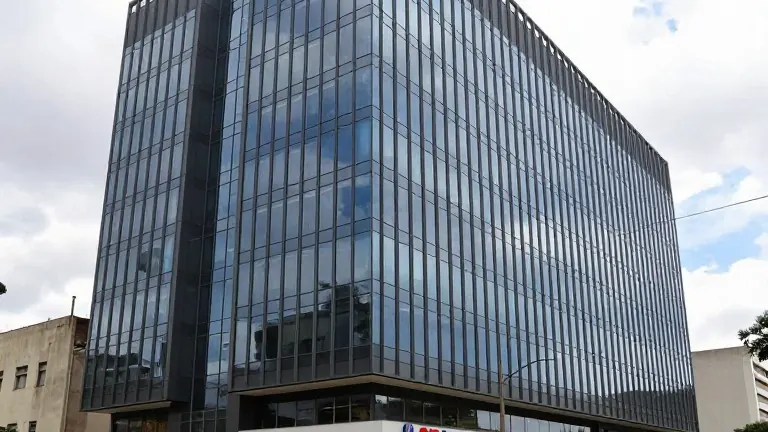
The crisis stems from the collapse of Ueno Bank, which grew from a small financial firm into the nation’s largest lender in just three years. The bank claimed nearly three million customers in a population of 6.5 million. It accumulated approximately US$2.8 billion in deposits. Of that total, roughly US$855 million represented public funds, including money from the social security institute.
Central Bank and prosecutor reports describe a complex web of loans between the bank and companies owned by its stakeholders. Orkun Saka, a professor at City St George’s, University of London, noted that these loans often lacked real collateral. Terms extended up to ten years, with amounts exceeding the borrowers' ability to pay. The bank also convinced regulators to reclassify related companies, allowing it to bypass legal limits on lending to its own group.
Ueno began operations in December 2023 after the Central Bank, then led by Carlos Carvallo Spalding, approved its conversion from a finance company. Carvallo had previously headed the original firm. In 2024, the bank absorbed Visión Banco, adding a million customers and decades of history. This acquisition, also approved by the Central Bank, doubled Ueno's client base. The bank further expanded through aggressive marketing, offering up to 40% cashback on credit card purchases and sponsoring the national soccer team.
The collapse triggered a political crisis that ended with the removal of President Santiago Peña. Peña had held shares in Ueno Holding before selling them in March 2025. He maintains he was never a direct shareholder of the bank. The opposition criticized the close ties between the president, the bank, and the regulator. These connections have drawn judicial scrutiny.
The bank also attempted to remove problem loans from its books by selling them to another firm that had indirectly received financing from Ueno. Saka explained that the bad debt did not disappear; it simply changed form. The proximity between the bank, the regulator, and the presidency has raised questions about institutional oversight. This loss of confidence may have a lasting impact on the economy.
Paraguay had previously attracted considerable international investment. The removal of the positive outlook signals to global markets that the country carries higher risk. This change could make credit more expensive and limit the government's ability to fund public services. The bank's rapid rise and subsequent fall have left a mark on the nation's financial standing.
More Business · Customer Complaints · Report a business · Got a Story?