Putin Agrees To Resume Ukraine Peace Talks
The Kremlin confirmed that Russia will restart three-way negotiations with the US and Ukraine later this month, marking a significant diplomatic shift after months of stalled efforts.
By Xiaoyu Wang ·
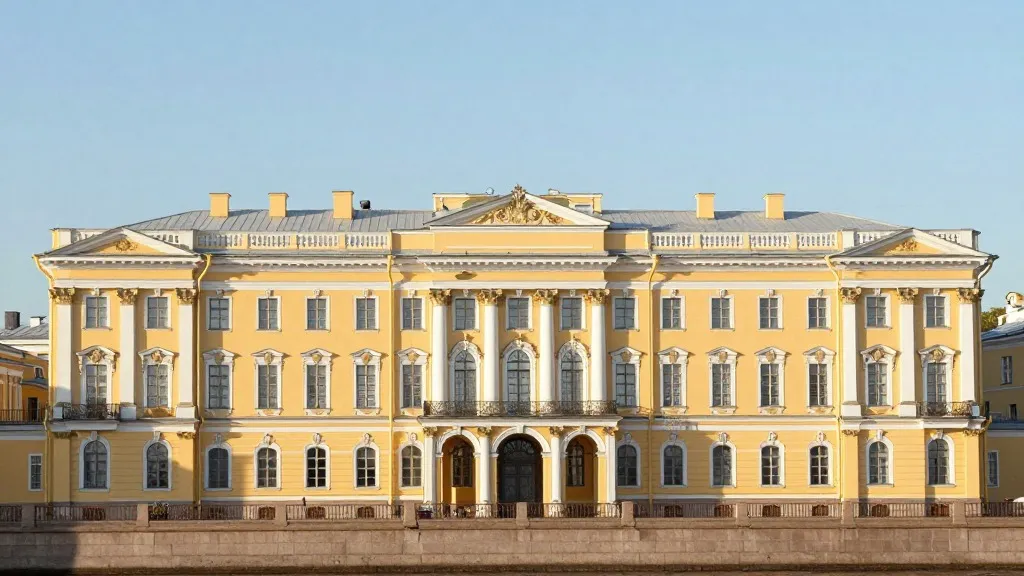
The Kremlin announced on Wednesday that Russia has agreed to restart direct peace negotiations with Washington and Kyiv, a move that could lead to the first such trilateral talks since February. This development signals a potential turning point in the conflict that has persisted for more than four and a half years.
Russian President Vladimir Putin gave his approval in principle to resume the discussions after November 10. This decision followed a three hour meeting in St. Petersburg between Putin and Steve Witkoff, the special envoy from the United States. Yuri Ushakov, the Russian foreign affairs adviser, disclosed the agreement to reporters immediately after the session concluded at the Constantine Palace.
The upcoming talks are expected to concentrate on constructing a security framework for both nations once the hostilities cease. Witkoff and Jared Kushner, who joined the discussion via video link, proposed this technical level meeting. They also shared progress from their recent discussions with Ukrainian President Volodymyr Zelenskyy and other European leaders in Oslo. Ushakov noted that while the proposals from Norway contained little real value for resolving the crisis, Moscow views them as a step in the right direction.
Zelenskyy voiced his support for the swift restart of negotiations in an audio message released late Wednesday. He stated that the agenda is clear to end the war and prepare for a meeting at the leaders level. However, he expressed caution, noting that Russia has previously indicated readiness to meet before canceling engagements. Shortly after his statement, missile alerts sounded across Kyiv, and loud explosions were reported in the capital.
The diplomatic push comes as President Donald Trump continues to pressure Kyiv to reach a compromise. Speaking from the Oval Office on Tuesday, Trump urged Zelenskyy to make a deal, citing significant financial losses and grief as reasons for Washington to seek a resolution. He warned that failure to reach an agreement could result in negative consequences for Ukraine. This pressure coincides with reports that Kyiv is once again receiving early warnings about incoming Russian missiles from its partners.
Beyond the primary conflict, the St. Petersburg meeting covered broader economic and strategic issues. Putin indicated he is ready to consider restoring economic ties with the United States and discussed the conflict in Iran. Ushakov said that large scale joint economic projects were discussed in detail with Witkoff, with some nearing the implementation stage. The Russian leader also met with Chinese Premier Li Qiang, who was visiting St. Petersburg for other talks. The two countries recently vetoed a UN proposal regarding Iran sanctions, highlighting their coordinated diplomatic stance.
Following his visit to Russia, Witkoff returned to Oslo for further consultations with Norwegian Prime Minister Jonas Gahr Støre. Støre suggested that a new phase of diplomacy is emerging as Russia seeks opportunities for negotiation. He indicated that the new talks are likely to occur in mid November. When asked about the possibility of Ukraine accepting the current front line as a border, Støre said it is unclear if Kyiv would formally accept it, though they may live with the arrangement.
On the battlefield, Russian attacks continued to impact Ukrainian infrastructure. Overnight strikes in Kyiv killed three people and wounded twelve others, damaging ten residential buildings. Prime Minister Serhii Koretskyi reported that energy facilities in Kyiv and three other cities were targeted. In Kharkiv, drone attacks in a residential area resulted in two deaths and eleven injuries. The Russian Defense Ministry claimed its air defenses intercepted 373 Ukrainian drones over various regions and the Black Sea. In a gesture of goodwill, Russia also released a retired American teacher who had been imprisoned on mercenary charges.
These developments suggest that leaders are keen to inject new momentum into US led peace efforts, which have seen limited progress since early last year. The release of the American teacher, Stephen Hubbard, was described by Witkoff as a response to Trump's request. As the three nations prepare for technical level talks, the focus remains on establishing a durable security system and potentially bridging the gap between the longstanding demands of Moscow and Kyiv.
Source: Atlanta News First