Regulators propose cyan lights for driverless vehicles
The National Highway Traffic Safety Administration is suggesting a specific blue-green illumination to distinguish autonomous vehicles on public roads.
By Lucia Herrera ·
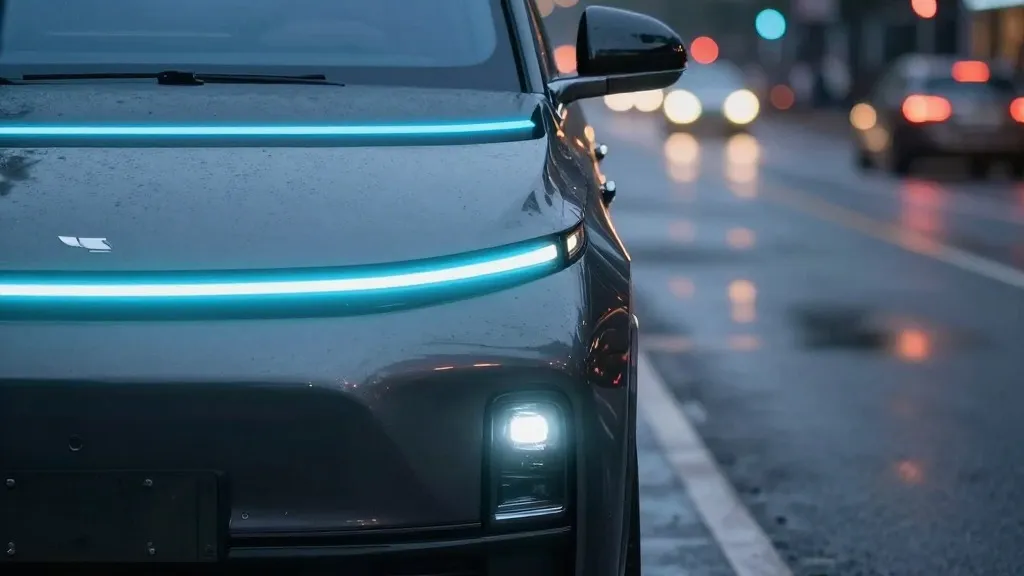
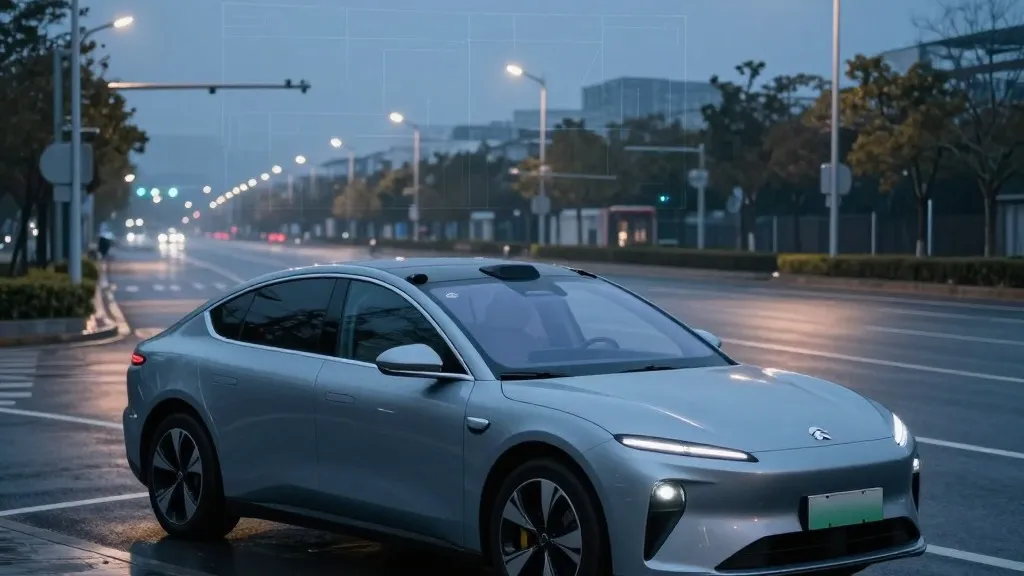
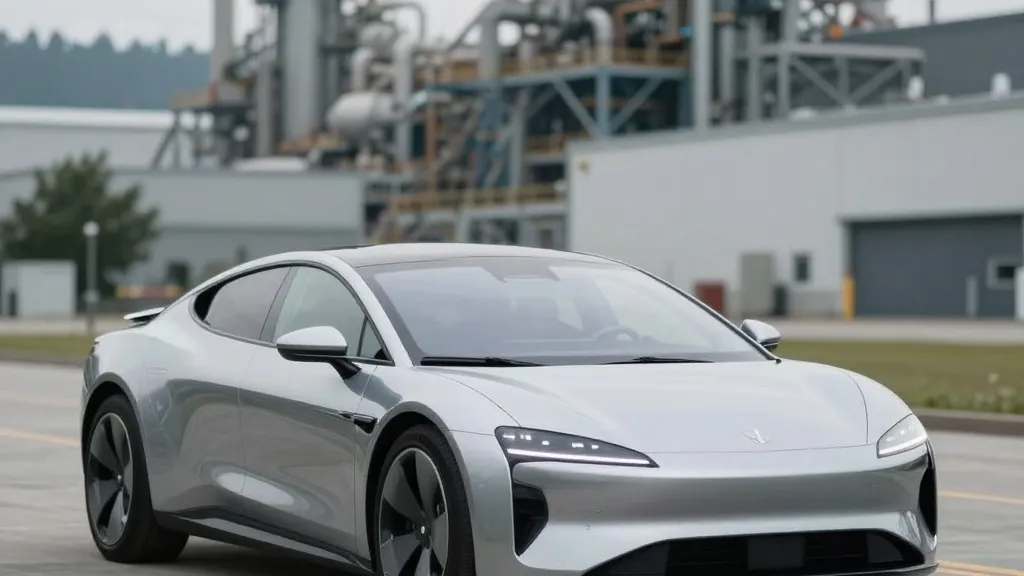
The National Highway Traffic Safety Administration has proposed a new visual standard for autonomous vehicles, suggesting that driverless cars display distinct cyan-colored marker lamps. The agency aims to establish a clear signal that indicates to law enforcement and other road users that an automated driving system is currently controlling the vehicle. This move seeks to resolve years of industry debate regarding how to visually differentiate robotaxis from traditional human-driven cars.
The proposal rewrites parts of Federal Motor Vehicle Safety Standard No. 108 to accommodate autonomous vehicle designs. Regulators argue that the current lighting palette is crowded. Red, amber, and white lights are already assigned to brakes, turn signals, and headlights. Flashing blue and red lights are reserved for emergency vehicles. By introducing a blue-green hue, the agency believes it can fill a visual gap without confusing drivers who are accustomed to existing color codes.
There is some historical context for this color choice. Mercedes-Benz previously received state-level approval to use turquoise lights on its Level 3 Drive Pilot vehicles. However, the automaker later abandoned that specific approach in favor of a different system. Despite this shift, NHTSA wants to create a uniform national standard. This would allow operators like Waymo, Nuro, and Zoox, as well as manufacturers like GM and Mercedes, to adopt a consistent lighting setup across the country.
Under the proposed rules, the installation of cyan marker lights would remain optional for manufacturers. The primary goal is standardization. By defining official federal standards for the color, brightness, and location of these lights, NHTSA hopes to prevent a fragmented market where different companies use varying colors and signal patterns. This consistency is intended to make the visual language of autonomous vehicles predictable for all road users.
The agency is also proposing to remove several lighting requirements that are illogical for vehicles without a human driver. Current regulations mandate the presence of physical hazard switches, manual beam shifters, and turn levers inside the vehicle. NHTSA suggests eliminating these requirements to streamline the design process. Additionally, the proposal includes updates to the 12.8-volt testing standard, which would allow automakers to build using modern LED architectures without facing unnecessary administrative hurdles. The agency is also considering removing rules that dictate the vertical placement of high-beam lights relative to low-beam lights.
This regulatory update is part of a broader effort by the Department of Transportation to streamline the deployment of autonomous vehicles. The government is working to make it easier for automakers to build cars that lack traditional controls such as steering wheels and pedals. These components are currently required under existing standards but are often unnecessary for fully automated systems. The goal is to reduce the red tape that slows down the development and release of driverless technology.
However, regulators are still actively enforcing current rules while new ones are being drafted. Last month, NHTSA opened an audit query into the Tesla Cybercab. The review examines the technical data and processes Tesla relied on when certifying the vehicle. The core issue involves the absence of specific design features like sideview mirrors, pedals, and a steering wheel. These elements are currently required under FMVSS, highlighting the tension between existing regulations and the evolving reality of driverless car design.
The next step in this process involves public comment and further review of the proposed changes. If finalized, the new standards will provide a legal framework for the next generation of autonomous vehicles. For now, the cyan light remains a proposal, but it represents a significant shift in how federal agencies view the integration of self-driving technology into the standard traffic environment.
Source: The Verge